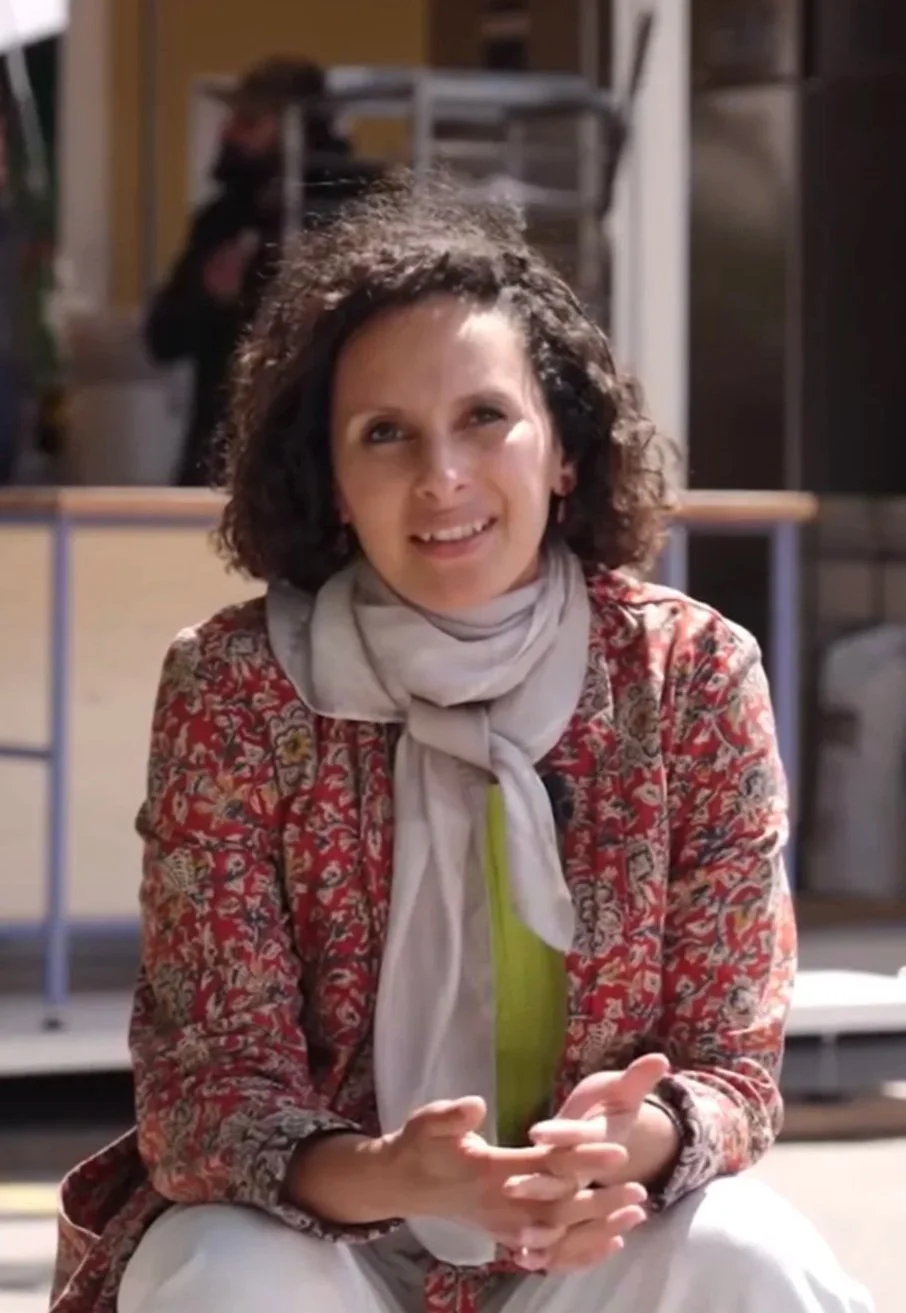
Yasmine Lahjij, known as Yeddin, is a French-Moroccan artist developing collaborative projects in urban and rural settings across Italy, Morocco and the UK. Her practice investigates local cultures, technological infrastructures, and material realities. Working across ceramics, textile experiments, culinary arts, music, and performance, she reflects on pluralism, multispecies coexistence, and the interweaving of personal and collective narratives.
Yeddin’s projects often unfold as gatherings - banquet-performances, workshops, and collaborative processes - created throughout both the research and public presentation phases. These initiatives engage specific communities, and foster exchanges with artisans, architects, chefs, farmers, winemakers, and musicians.
By critically examining the tools and systems that shape territories, memory, transmission, and social relations, Yeddin explores how these frameworks transform within regional contexts. Her encounters open spaces of exchange where diverse worldviews come together to question the fundamental principles of life.
©Riccardo Banfi
tin- طين.
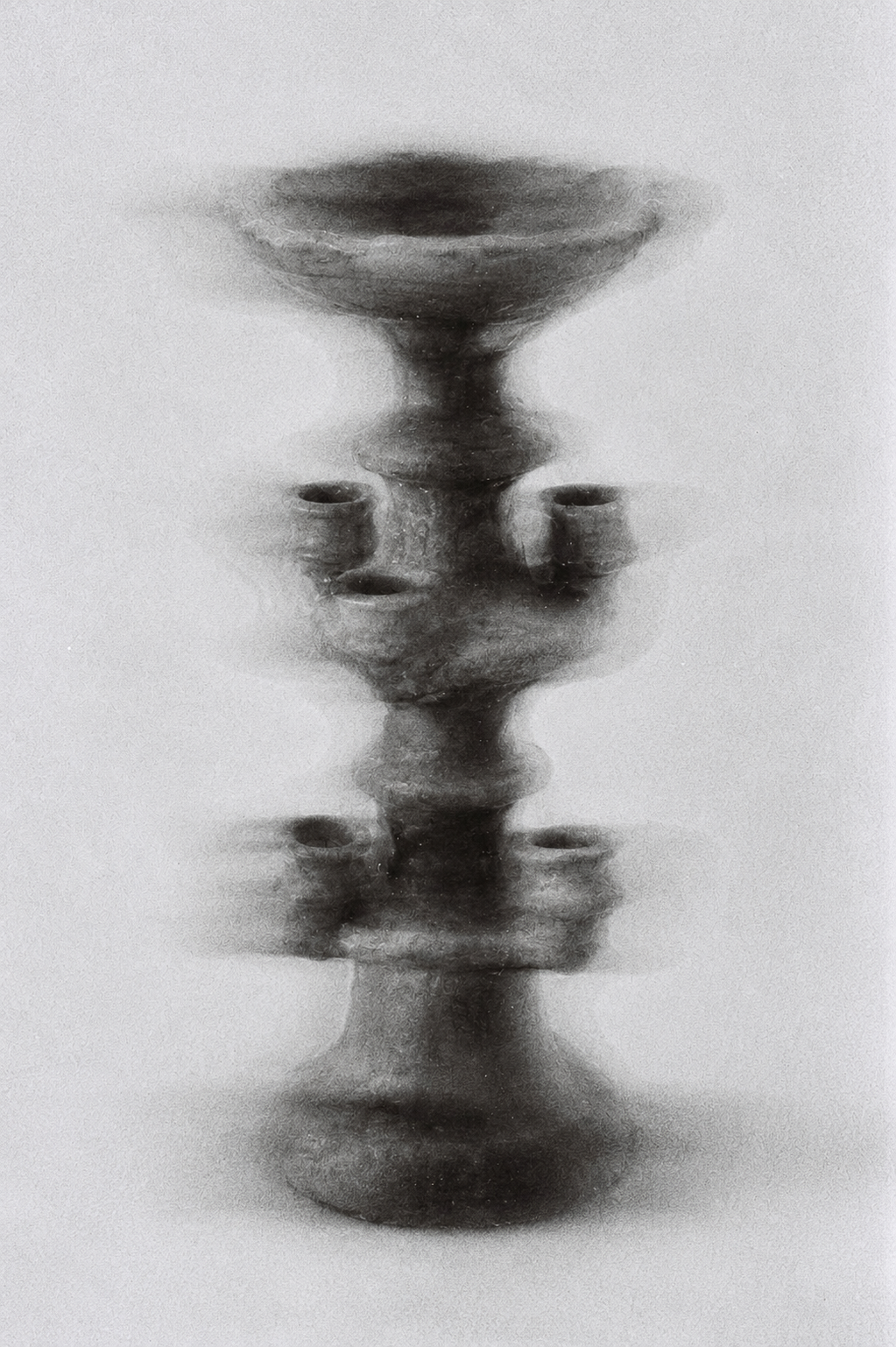
Yeddin Studio × Saïd Tama Lakhdar
Tamegroute, Morocco
Ceramic sculptures, 2026
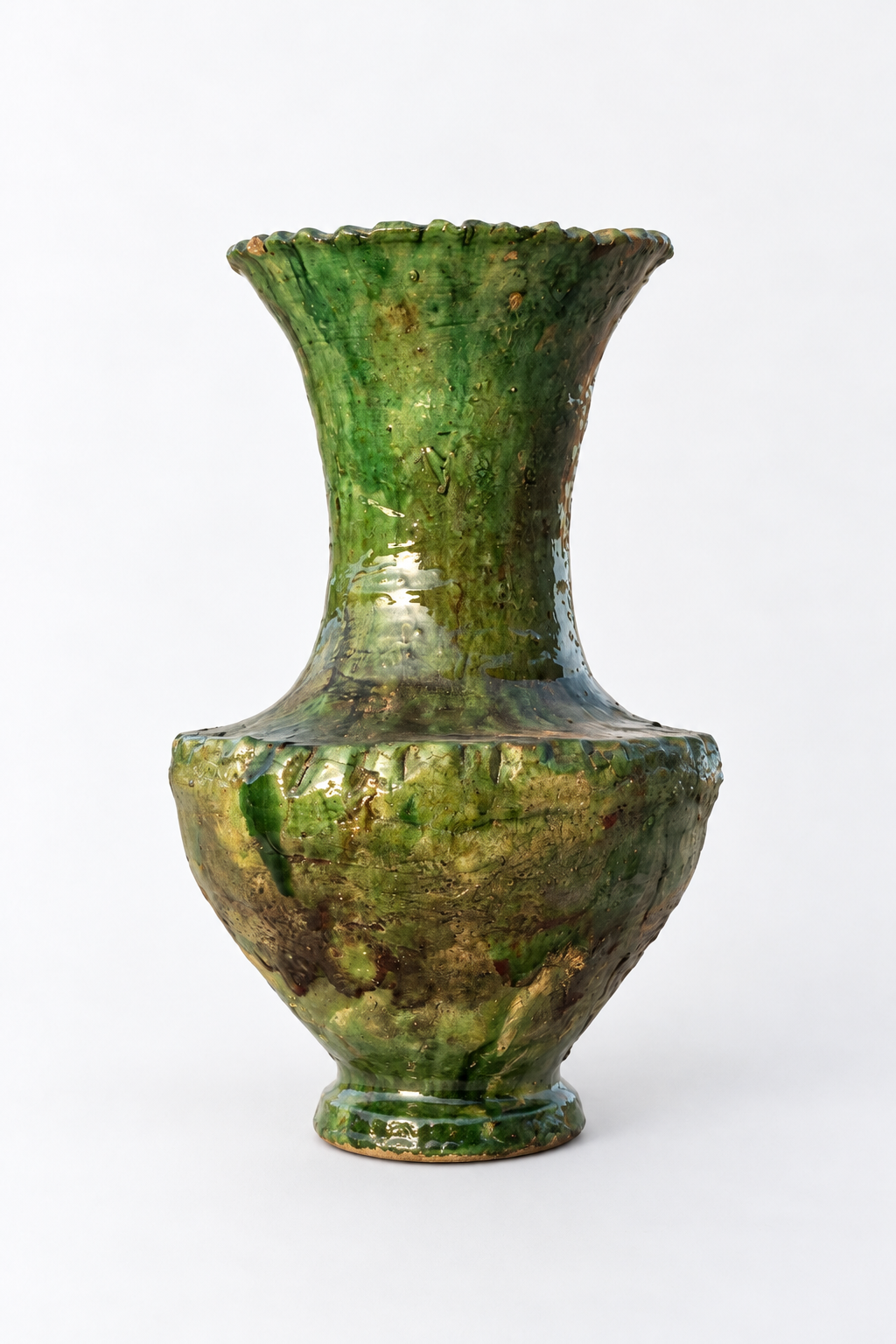
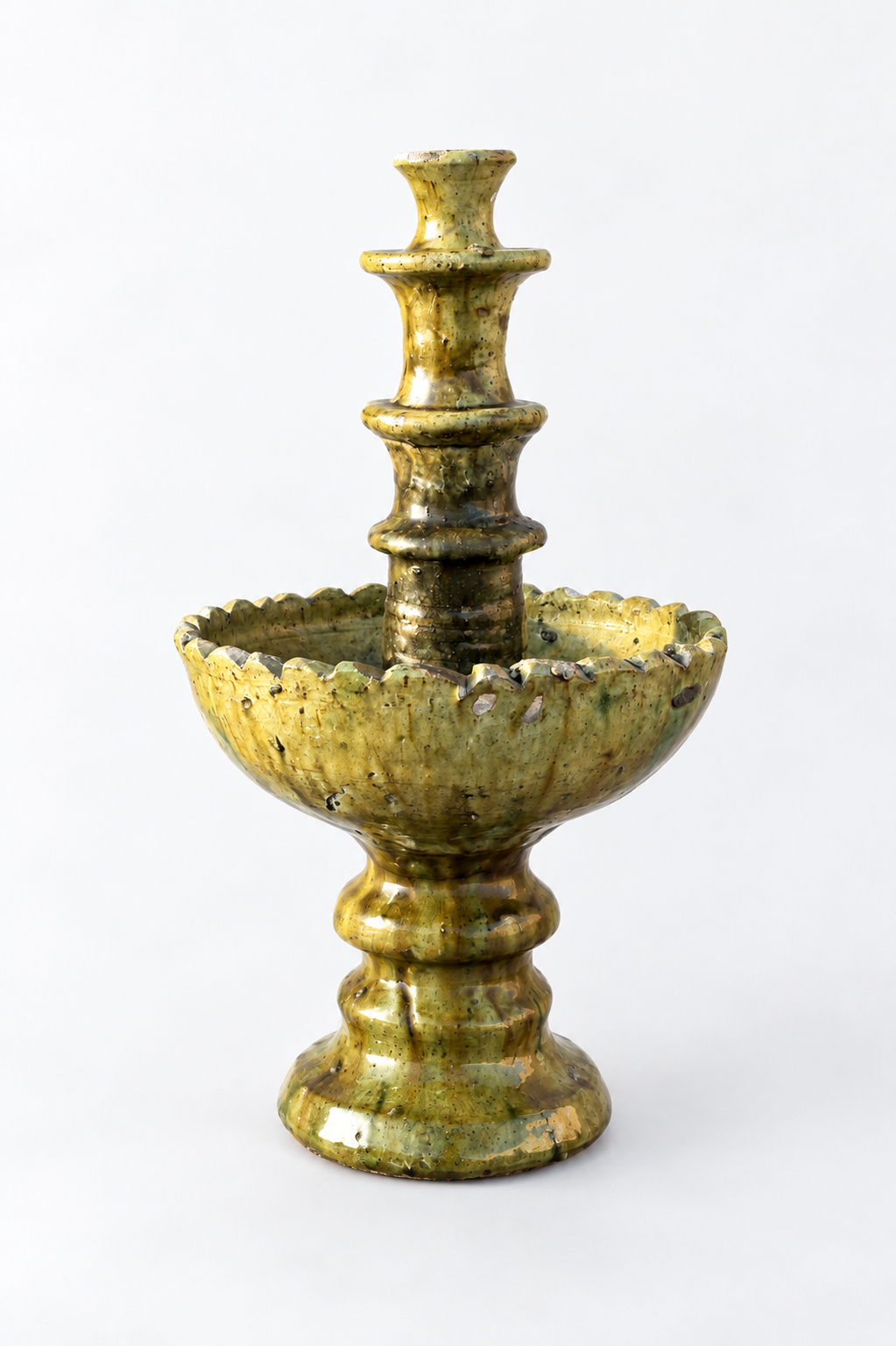
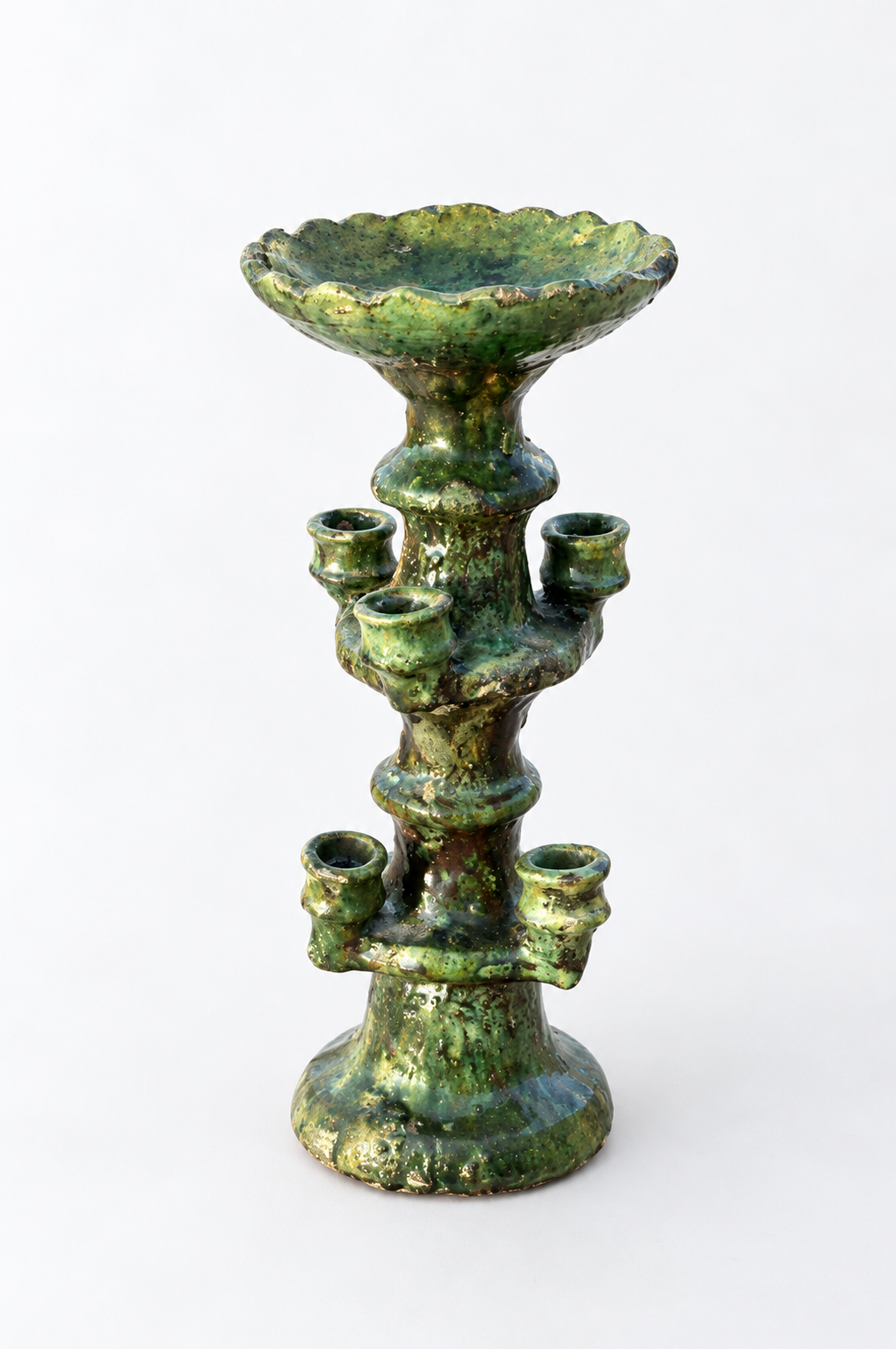
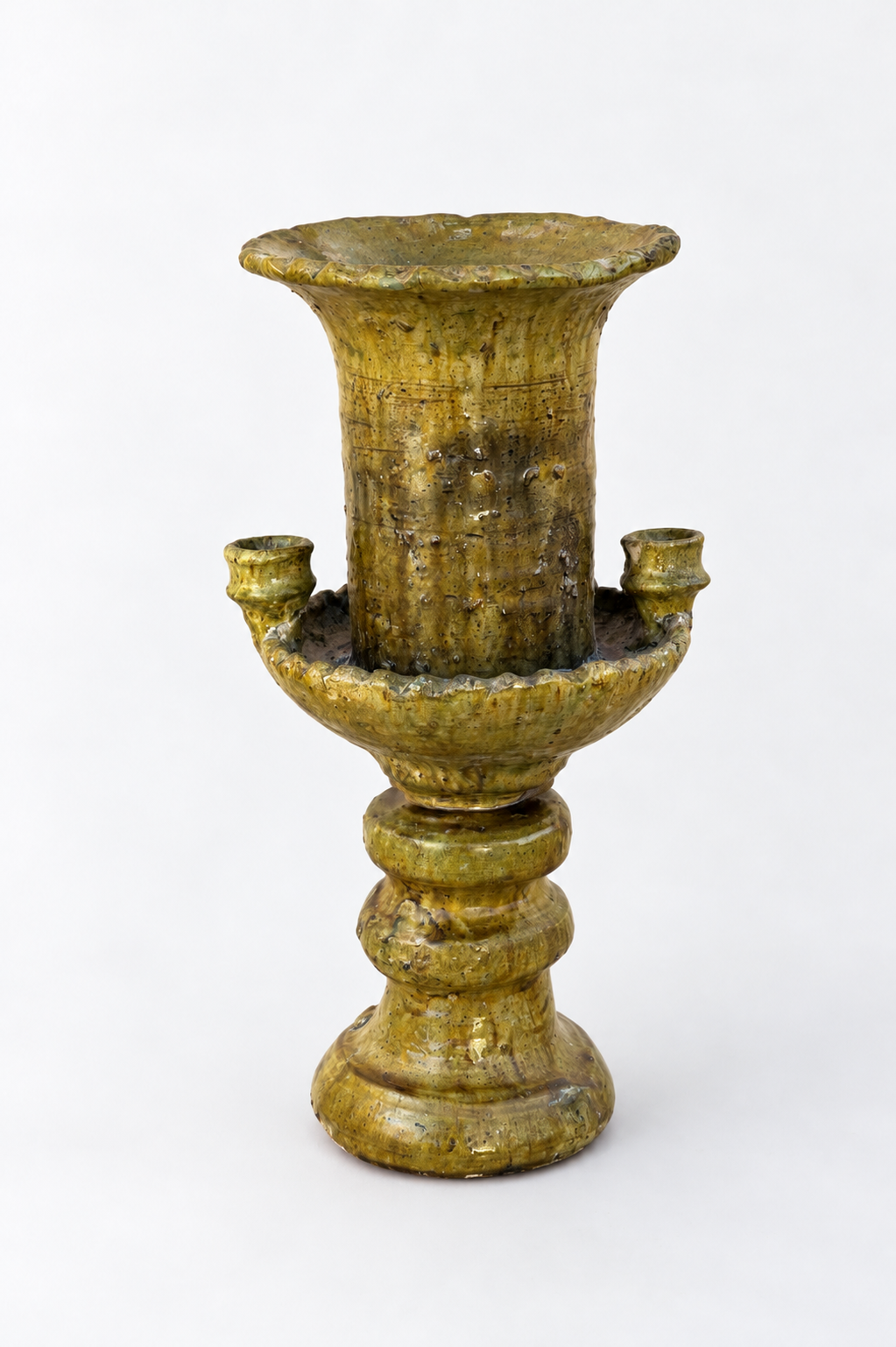
This collection of eight sculptures brings ritual vessels and objects of the table—the Italian alzatina, the Greek krater, the ablution fountain and the vase—into dialogue with the pottery traditions of Morocco’s Drâa Valley.
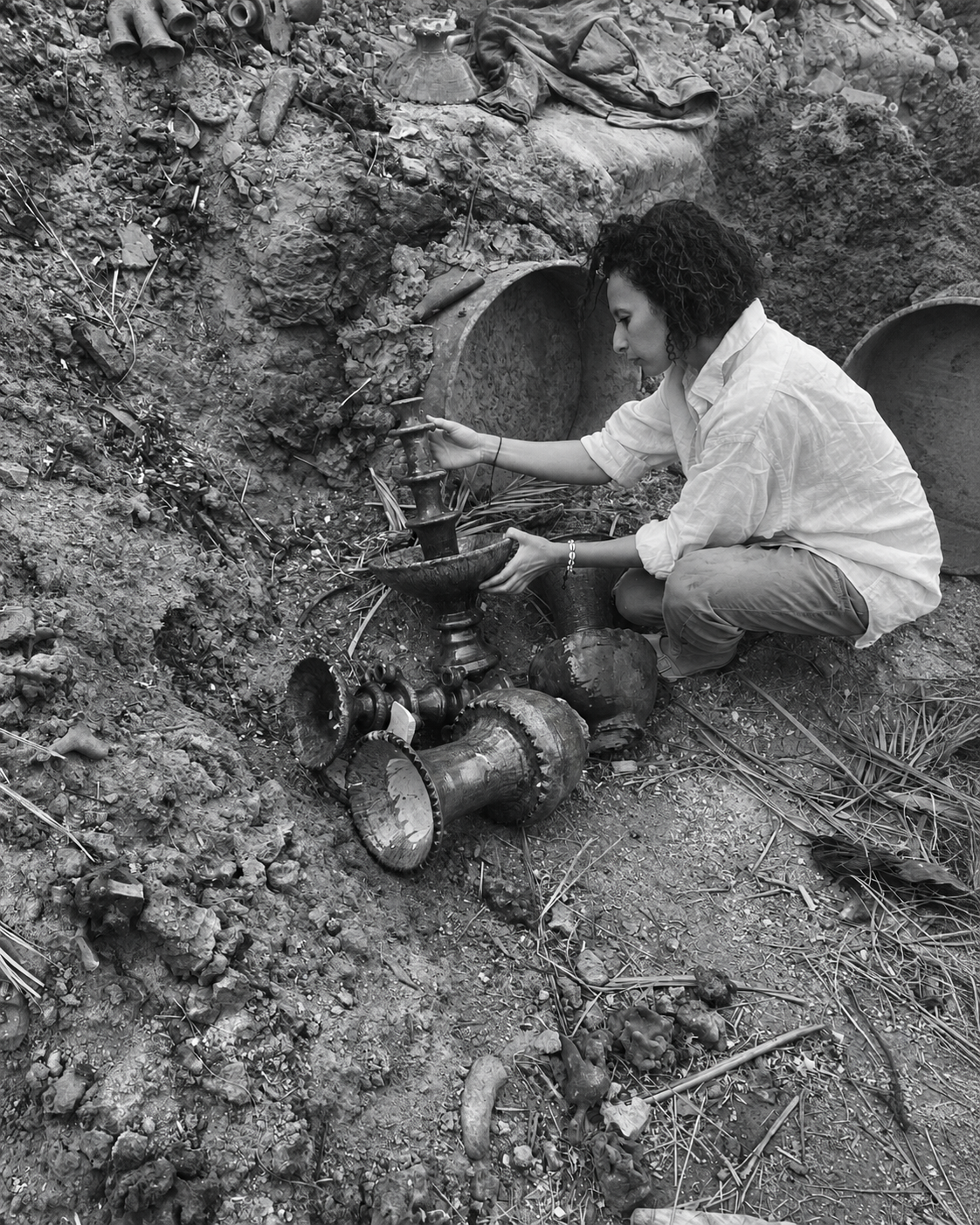
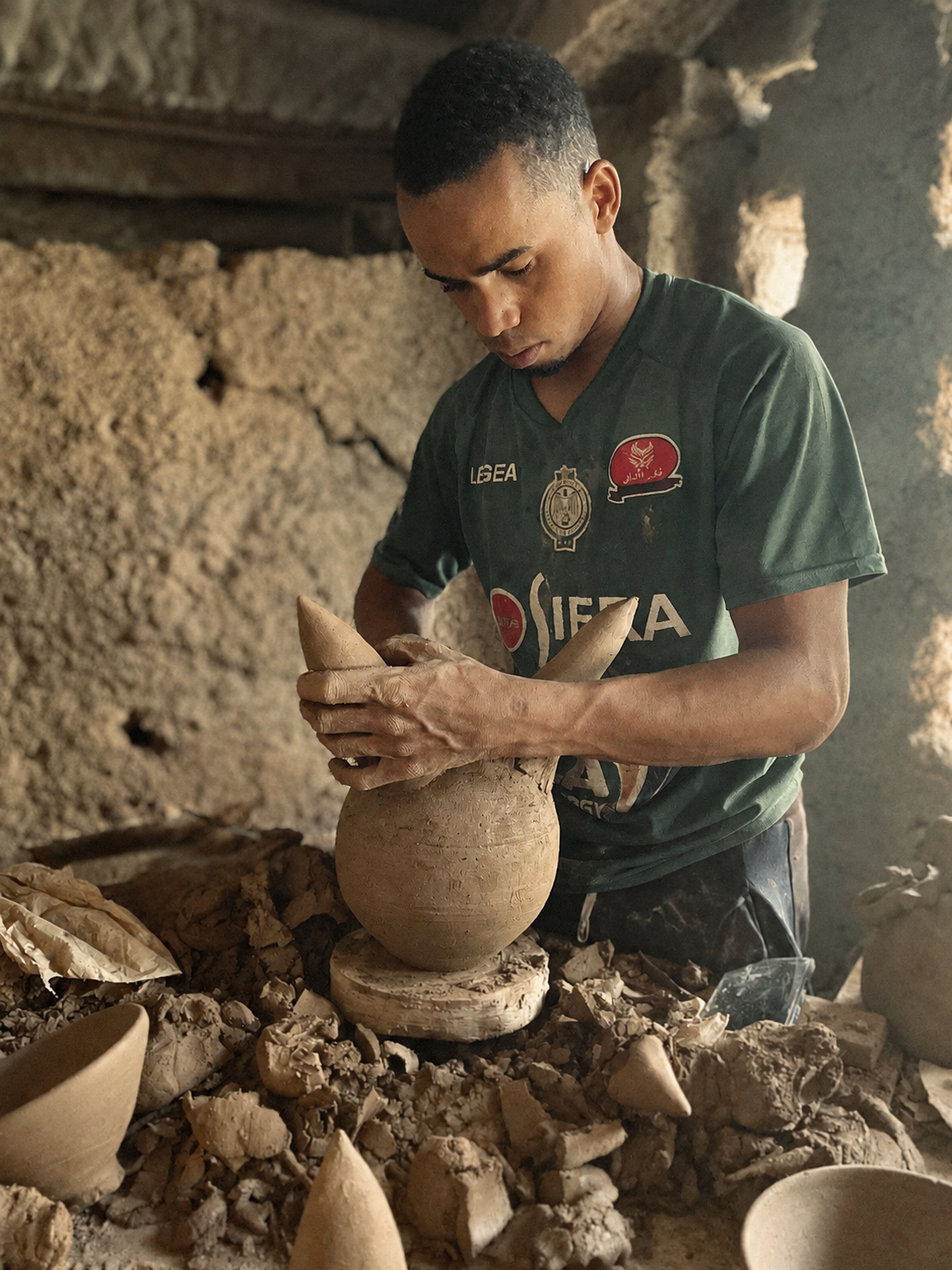
Designed by Yasmine Lahjij - Yeddin Studio and made in collaboration with master potter Saïd Tama Lakhdar in Tamegroute, southern Morocco, each piece is thrown on a kick wheel, with details shaped by hand. Made from clay sourced from the region’s riverbeds, the sculptures are finished in the village’s characteristic green and ochre glazes and fired in a traditional wood kiln. Clean silhouettes meet textured surfaces: rims are cut with a knife, candleholders multiply, and glaze flows unevenly towards the base. Variations in surface and finish preserve the traces of making.
The collection explores how tools, materials and shared knowledge shape places and relationships. Bringing together Yasmine’s artistic practice and Saïd’s pottery expertise, the works connect sculptural form with gestures of making, serving and gathering. They echo Yeddin Studio’s banquet-performances, bringing distinct histories of the vessel to a shared table.
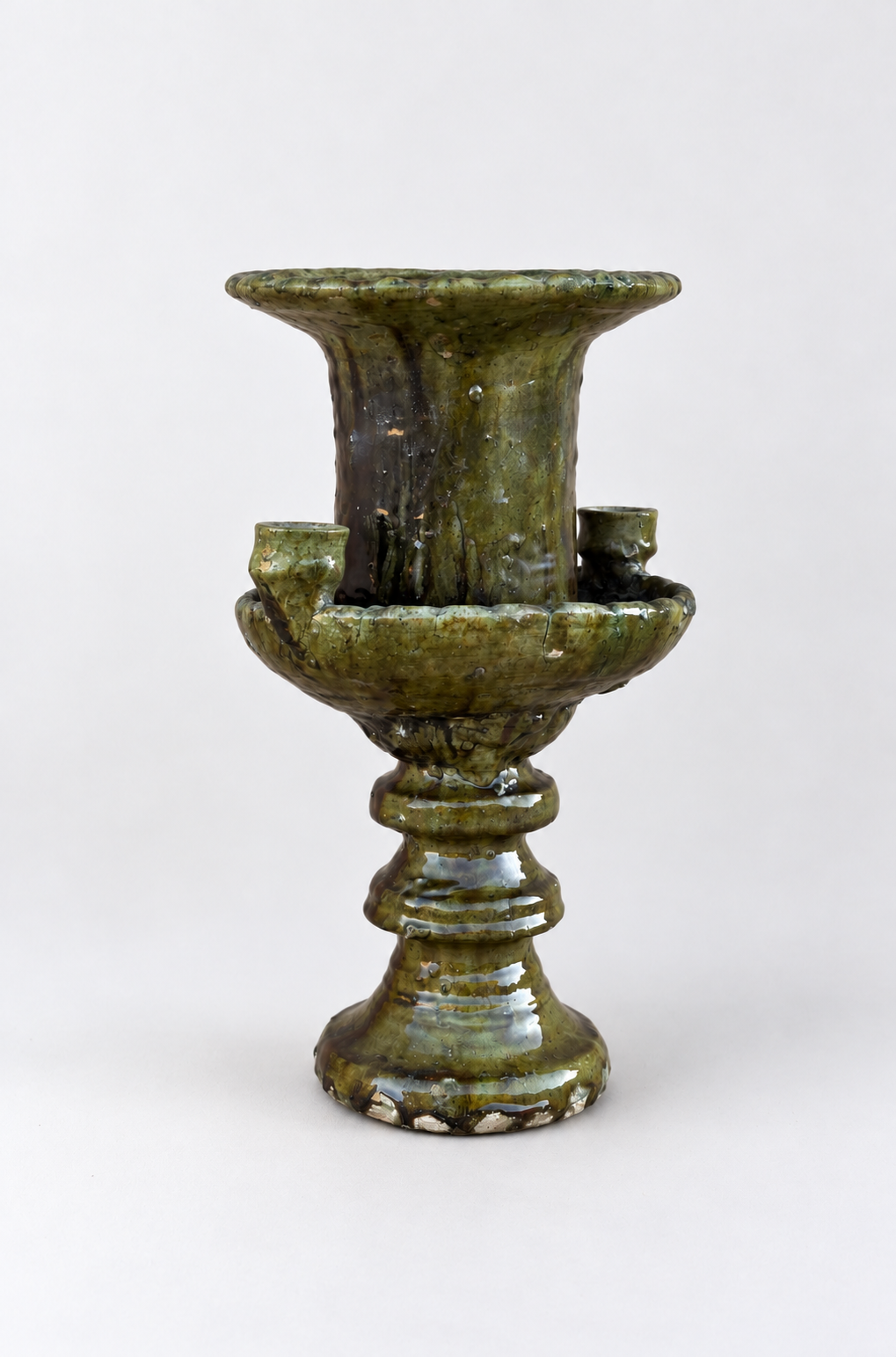
Krater, dark green, 2026
glazed earthenware,
approx. 26 × 28 × 40 cm
Shared knowledge, local materials, a project that explores gestures
of making, serving and gathering.
Sculptures at the intersection of ritual vessels and objects of the table,
in dialogue with the pottery traditions of the Drâa Valley.
Qui Accadono Cose /
Here Things Happen
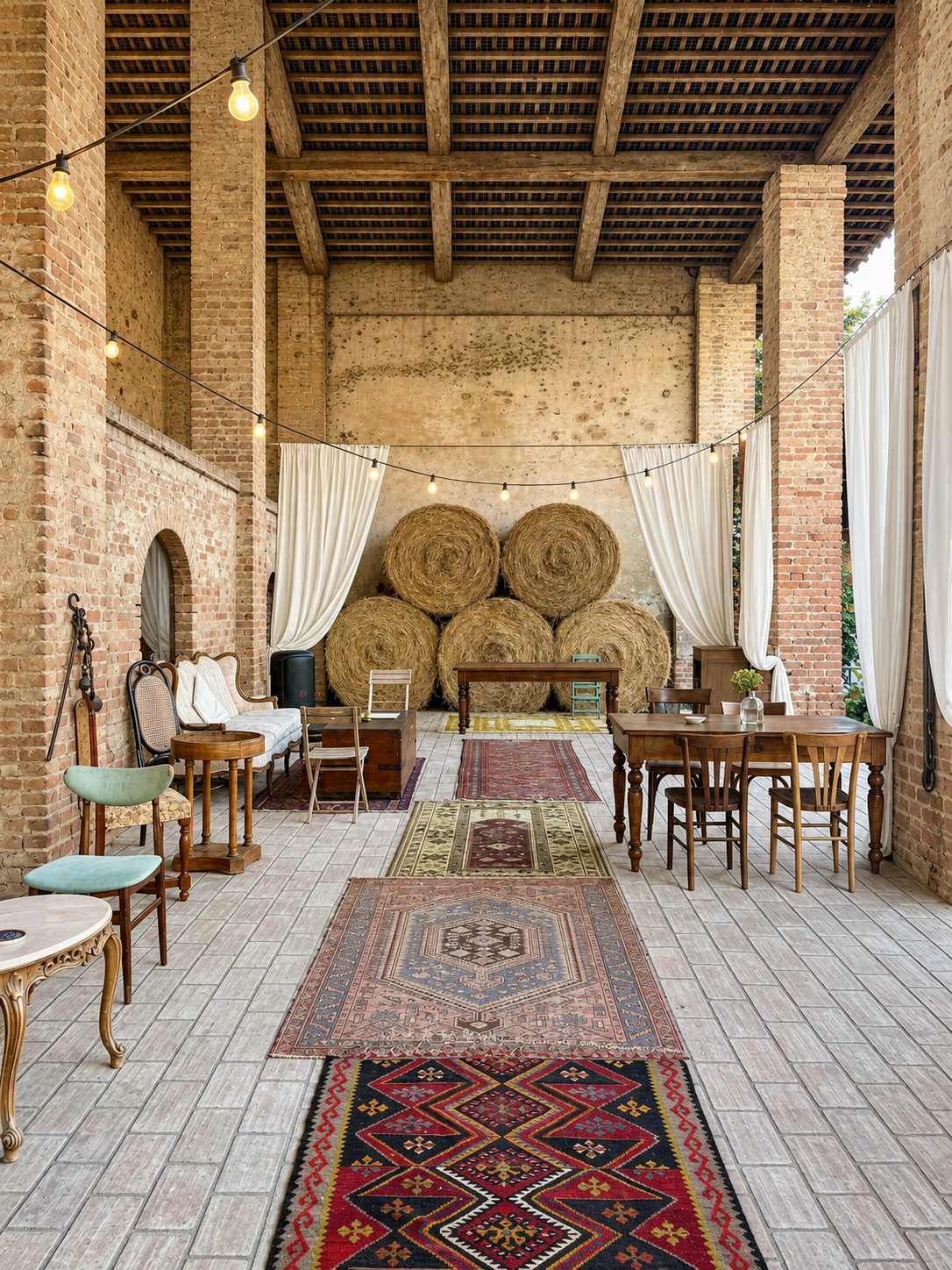
Residency & Performance
in a regenerative farm
Lago Scuro, Stagno Lombardo, Italy.
20 September - 1 October 2026.
Who does the work of hospitality, who shapes its decisions, and who gets a seat at the table?
During her residency at Cascina Lago Scuro, Yasmine Lahjij - Yeddin Studio explored how knowledge, gestures and ways of living are passed on within a territory, a family and a place — and how this transmission is carried and negotiated through her own body, in health and in illness.
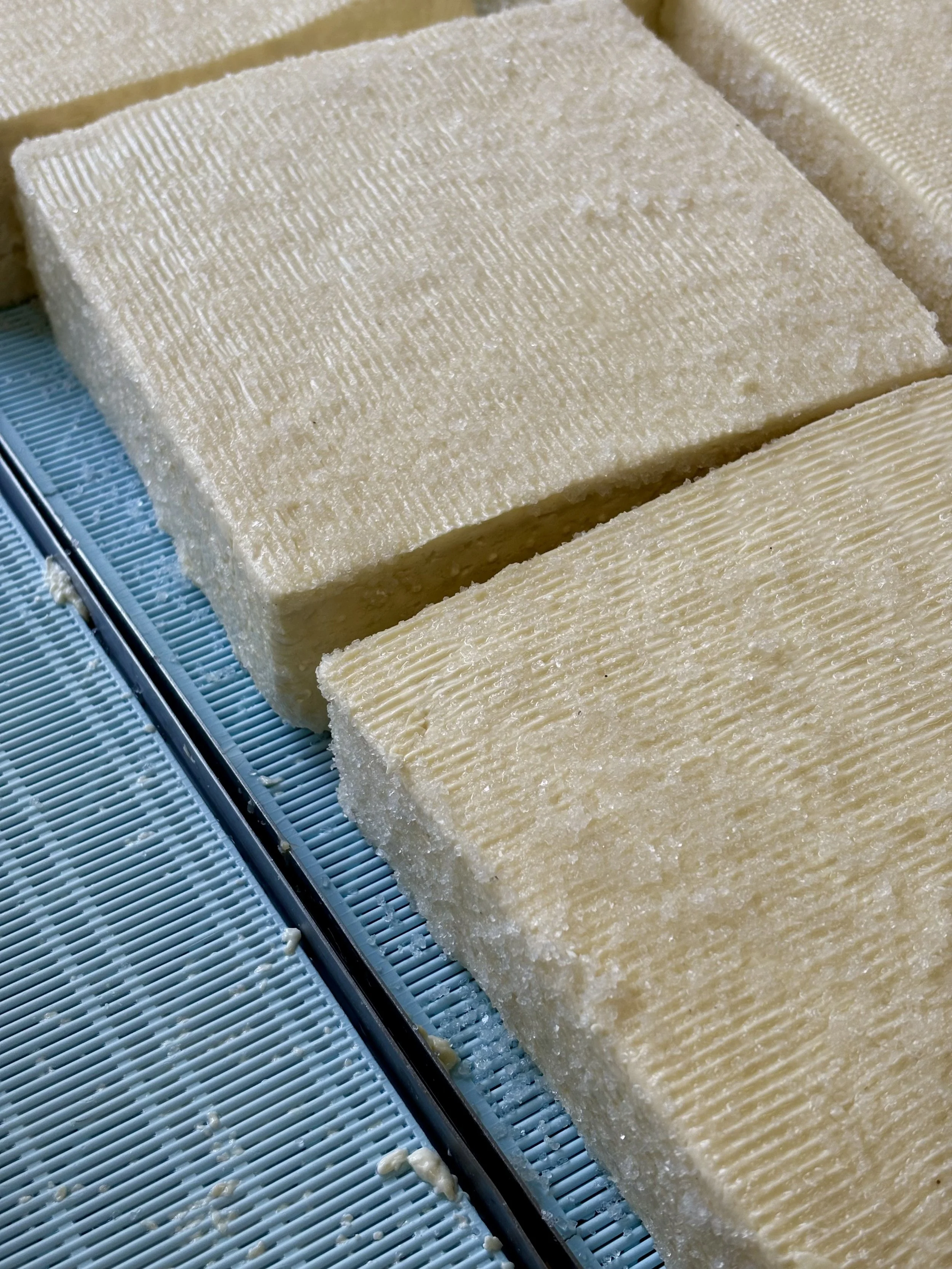
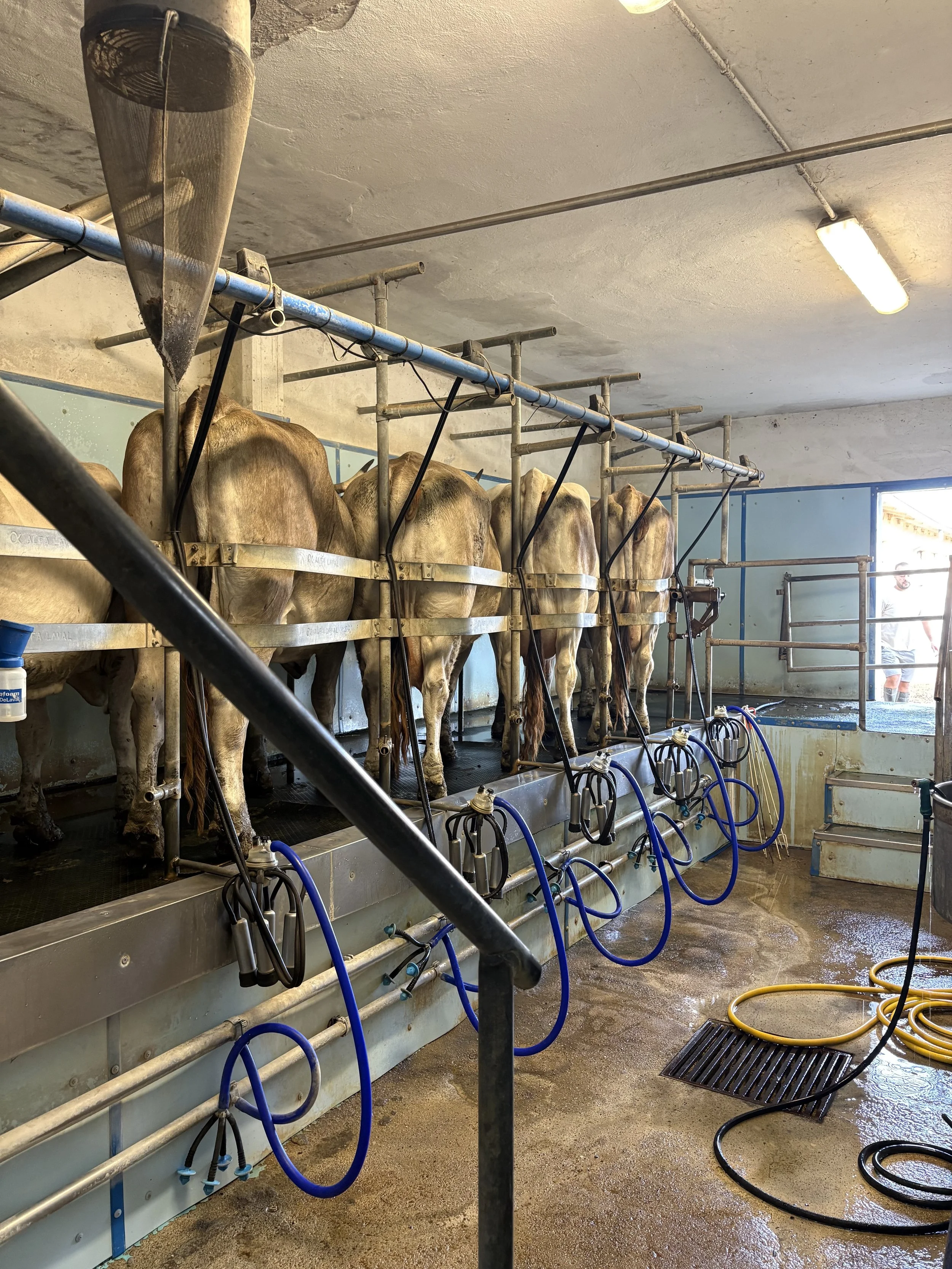
Through movement, she worked with gestures and savoir-faire learned in the dairy and the kitchen, and through observing those around her. Her research considered care and labour, what is shared and what remains unshared, and how reciprocity, dignity and attention might be put into practice.
Emerging from this research, the performance took shape as a work in progress, rooted in the relationships and rhythms of the farm, dairy and restaurant. It belonged to this place and to the particular circumstances of her time there.
Performance by Yasmine Lahjij — Yeddin Studio,
“Qui Accadano Cose,” 29 September 2026, 19:00
Lago Scuro, Stagno Lombardo, Italy. Film directed by Matteo Raineri.
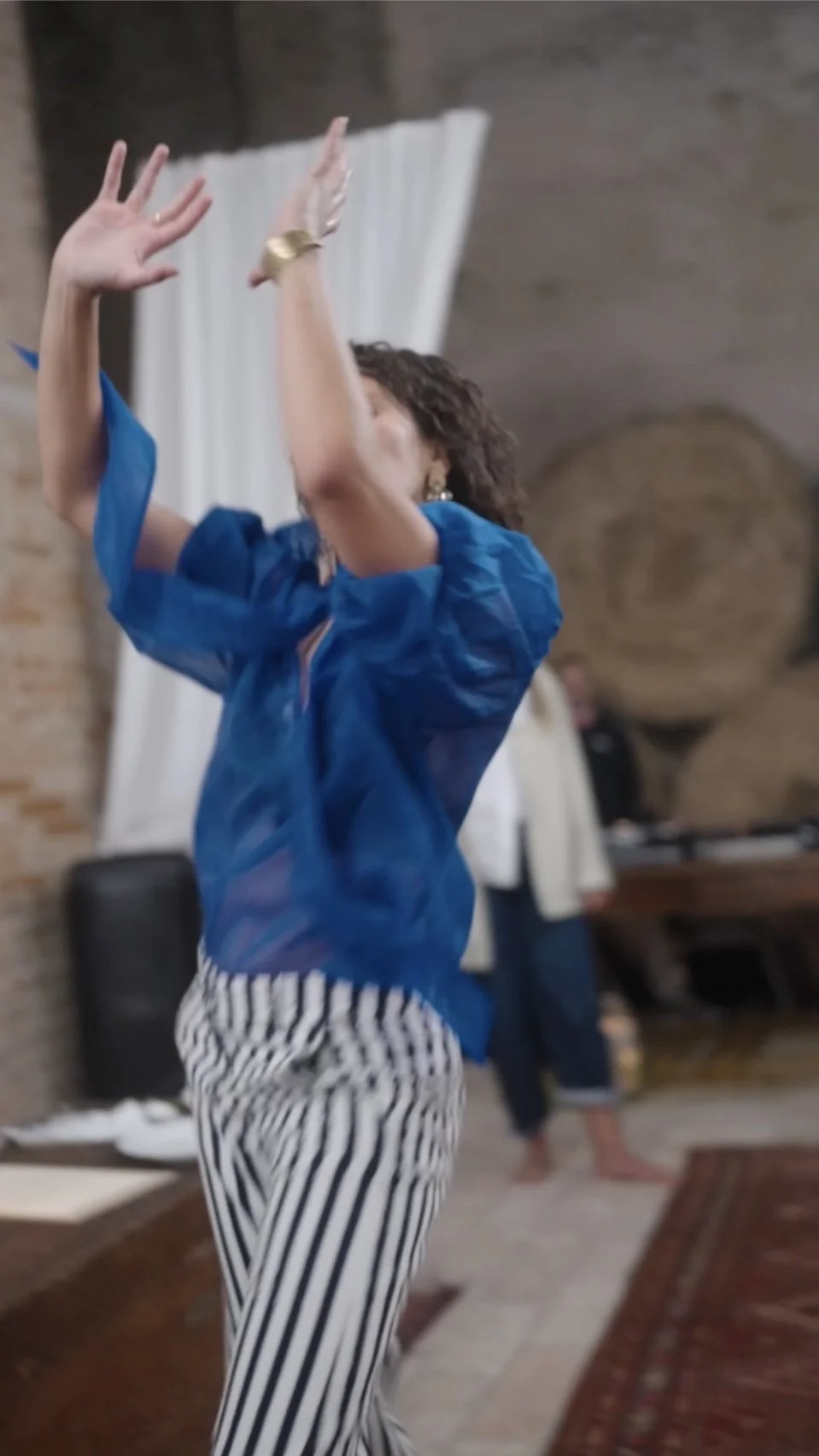
Performance by Yasmine Lahjij — Yeddin Studio,
“Here Things Happen,” 29 September 2026, 22:30 Lago Scuro, Stagno Lombardo, Italy.
Film directed by Matteo Raineri.
Many thanks to Residenza Lago Scuro and Cascina Lago Scuro, its devoted team, as well as Mattero Raineri and fellow residents.
‘[lésé pisé le mérinoːs]’
Residency and exhibition
Pietraroja, Italy, June 2026.
“Tangier (Pecora)”
henna on white linen, local wool kindly provided by shepherd ‘Tonino’, wooden frame designed
by Davide Tagliabue, 2026.
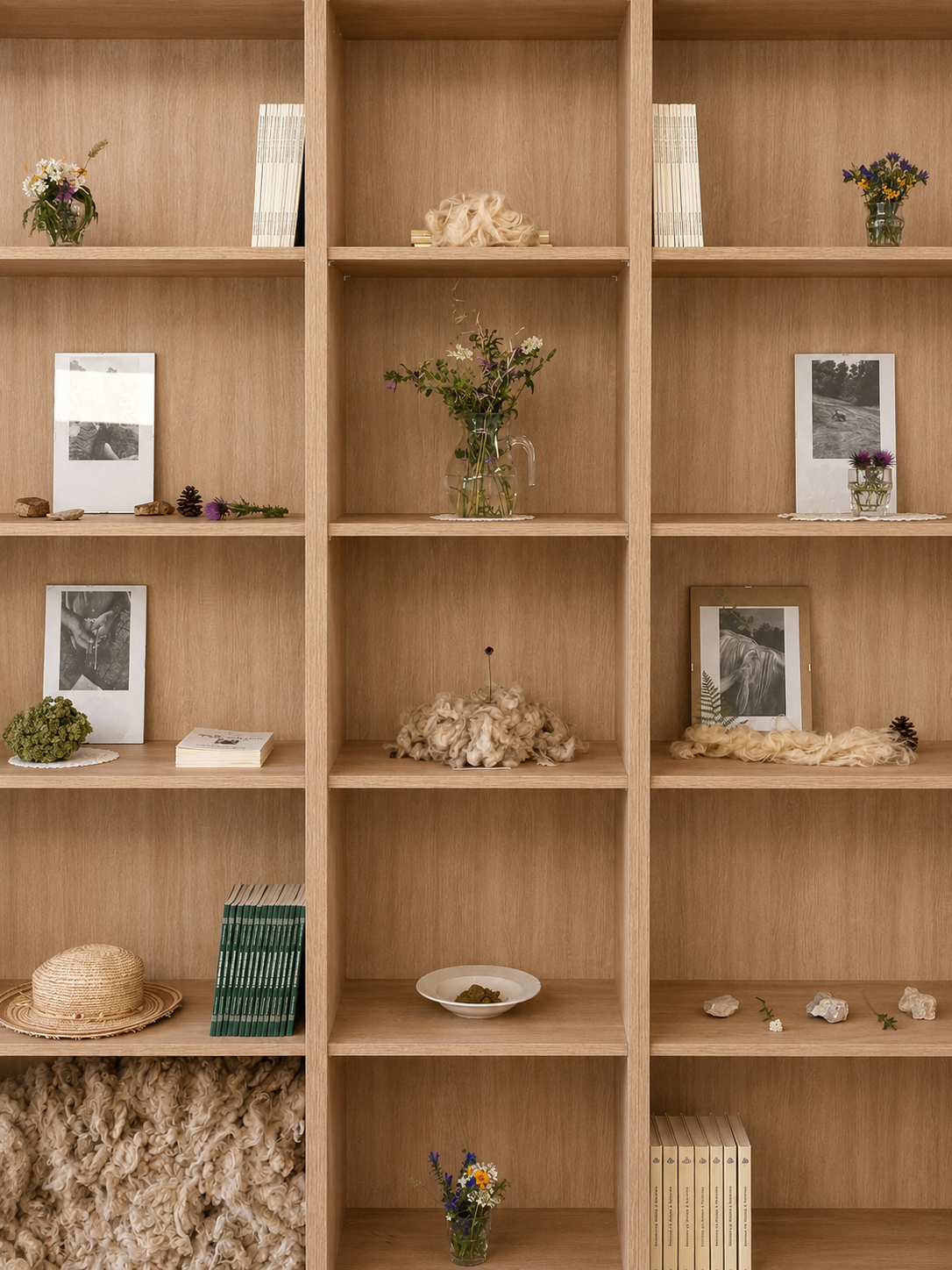
“L’archivio rivisitato – parte 1”, local wool, Moroccan henna, plate, local stones, recycled-soil ceramics, publications from the Pro Loco archives, oregano, framed prints on paper, wild local flowers and plants, vases and glasses, personal hat, lace, variable dimensions, 2026.
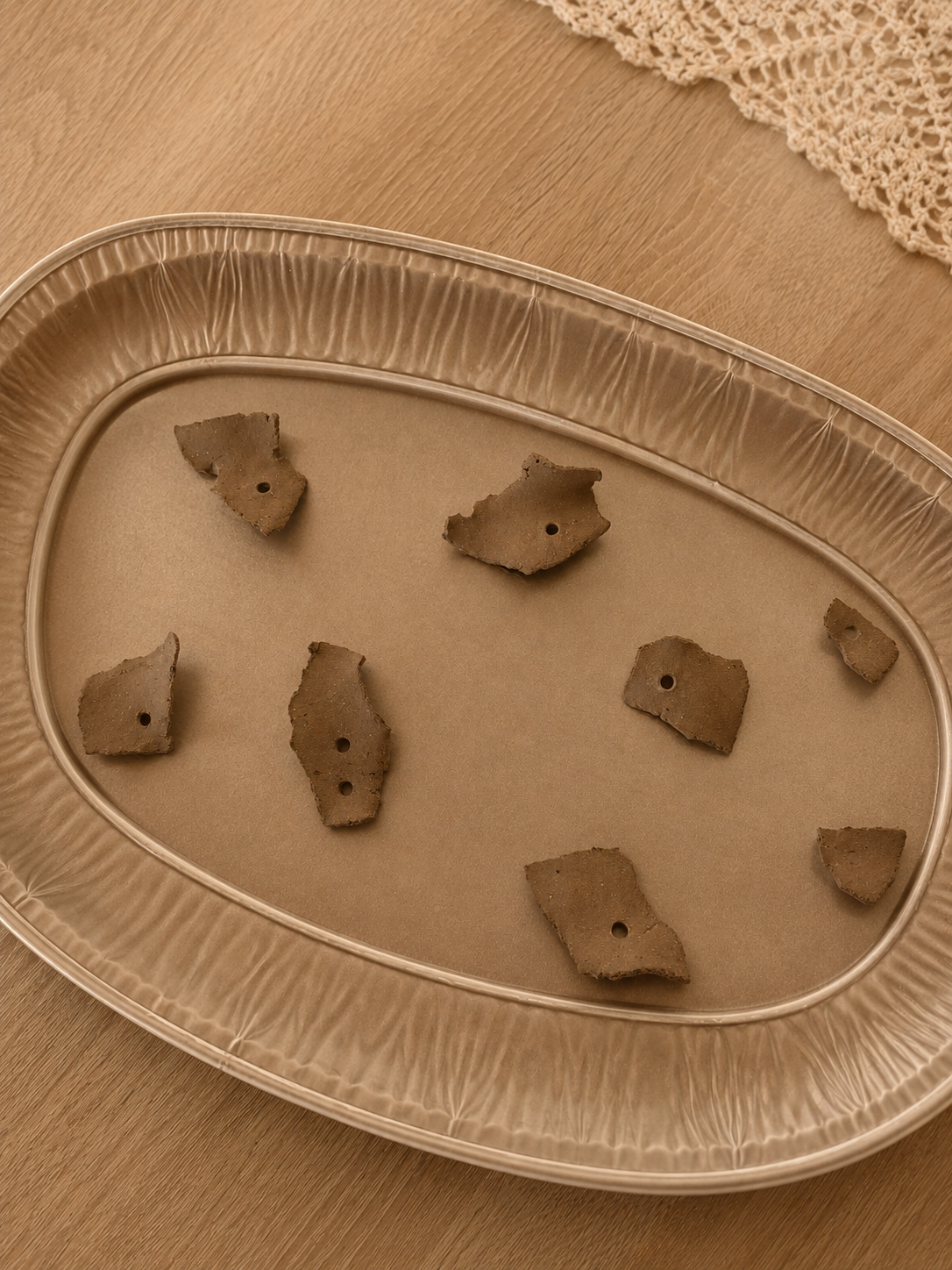
“La corteccia della terra”, sandstone, aluminum tray, variable dimensions, 2026.
[lésé pisé le mérinoːs] developed in Pietraroja through a period of shared work with local inhabitants and the RuDeRi collective. Shaped by walks across the mountains, shepherding practices, and everyday encounters, the project unfolds through a series of collaborative gestures rooted in the landscape. Its title - an echo of « laisse pisser le mérinos », an old French expression meaning "let the sheep be" - evokes an attitude of release, openness, and attentive coexistence. Moving between tradition and imagination, the work explores how vernacular knowledge continues to transform through lived experience.
Working with local wool, cheese, stone, recycled-soil ceramics, Moroccan henna, archival fragments, and dialect, the project considers materials as living carriers of memory and cultural transmission. Developed alongside shepherds, artisans, designers, anthropologists, farmers, and local communities, it traces the relationships between transhumance, ecological practices, and contemporary ways of inhabiting rural territories. Through site-specific installations, shared tastings, and participatory actions, the research reflects on mobility, care, and the collective stewardship of land.

“Concetta”, black-and-white print (20 × 28 cm), vintage frame from the Pietraroja Pro Loco archives, Moroccan henna on local stones, 2026.

“Pietraroja (Pietra)”
henna on white linen, wooden frame and local stones sculpted by Davide Tagliabue, 2026.
‘The Grounds On Which We Meet’
Padiglione di Chiaravalle, Milan, December 2025.
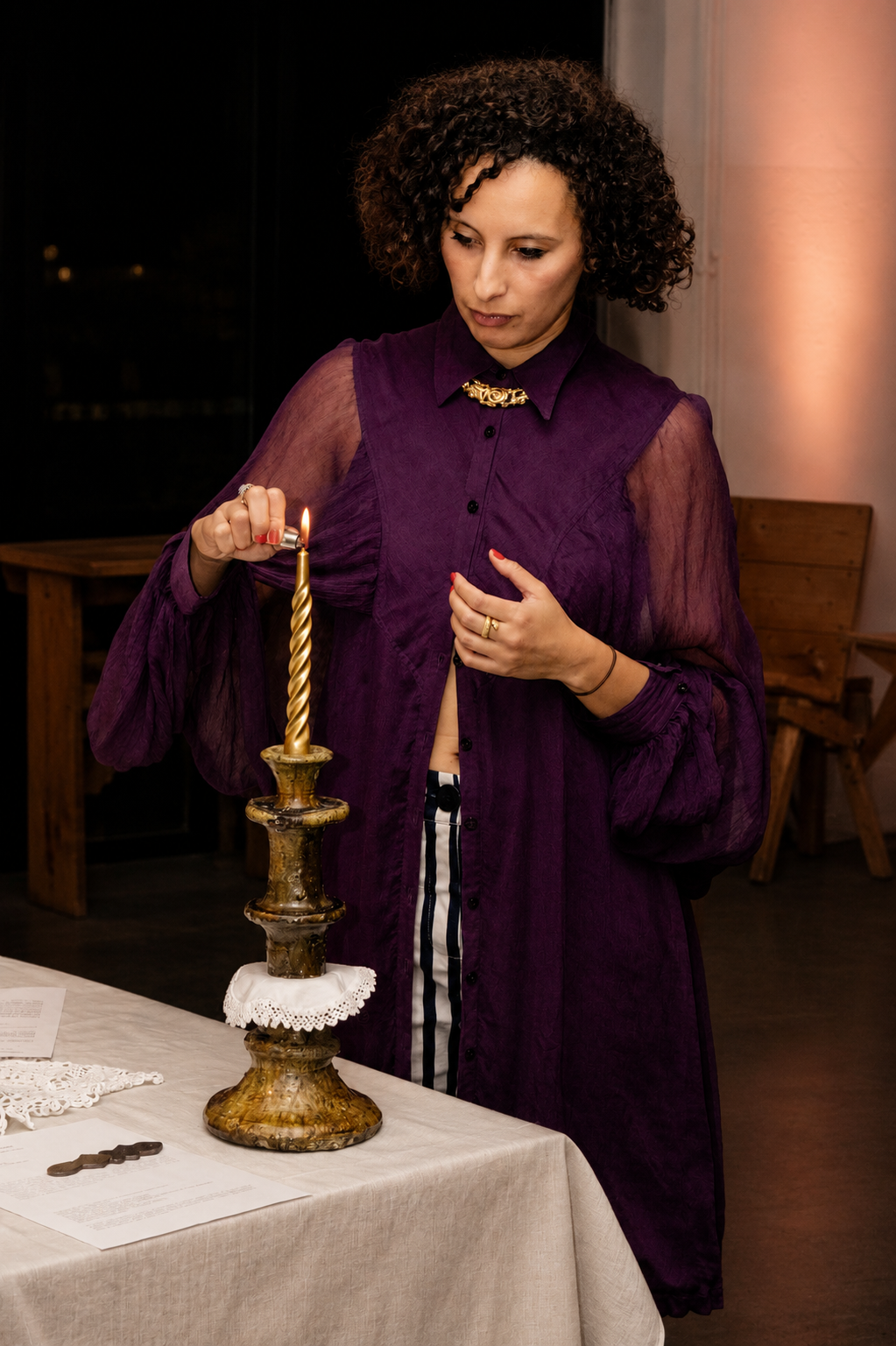
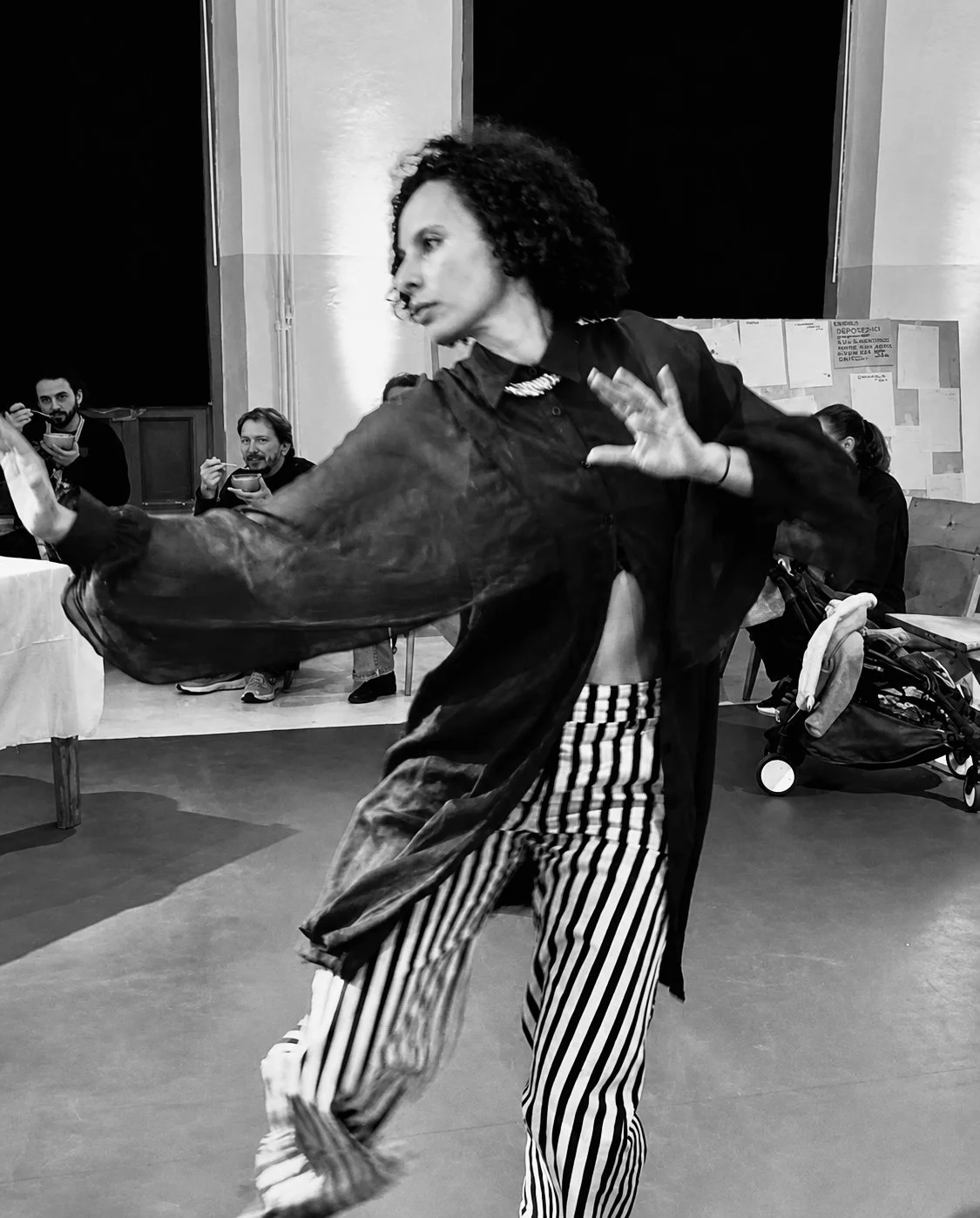
Ecology is a living web of relationships: it connects places, languages, technologies, and communities in an interlacing of mutual dependencies that both sustain us and put us to the test. The banquet-performance The Grounds Where We Meet presents itself as a fragile and regenerative fabric, shaped by the flows that traverse it and the threats that challenge it - an invitation to rethink our way of inhabiting the world.
It intertwines realities and terroirs - from the Parc naturel régional des Alpilles in France to the Colli Orientali of Friuli Venezia Giulia, from the region of Tangier, Morocco, to Milan - through three shared tables that celebrate the act of eating together all the while standing up, a ritual gesture renewing an ancient union. A bridge-project between agricultural practices, natural resources, and (un)sustainable desires.Artistic direction/edible installation:
Yasmine Lahjij – Yeddin
Performance: Yasmine Lahjij
Light and sound mix:
Sergio Albert Gonzalez - Glub Glub Madrid / Sonorama Tanger
Second musical composition:
Jason Brockmeyer
Set-up/coordination: Marta Cataldi, Federica Miliani.
Ceramic bowls:
Nina Salsotto – Unurgentargilla
Ceramic spoons: Yeddin Studio
Tamegroute ceramics:
Atman & Saïd Tama Lakhdar
Wine: Ronchi di Cialla, Prepotto
Photography: Riccardo Banfi
With the kind collaboration of Terzo Paesaggio
Warmest thanks to all collaborators and partners mentioned above, and in particular to Sergio Albert Gonzalez, Riccardo Banfi, Marta Bertani, Jason Brockmeyer, Marta Cataldi, Hafida Damou, Alessandro di Donna, Alessandro Di Pietro, Lucrezia Galeotti, Sara Ghebregzabher, Egidio Giurdanella, Jean Margaria, Denis Mattiuzzi, Federica Miliani, Andrea Perini, Rapuzzi family, Nina Salsotto, Davide Tagliabue, Bibiana Tarantino, and Jean-Claude Vincent.


all images of the event courtesy ©Riccardo Banfi




‘m3aalq’
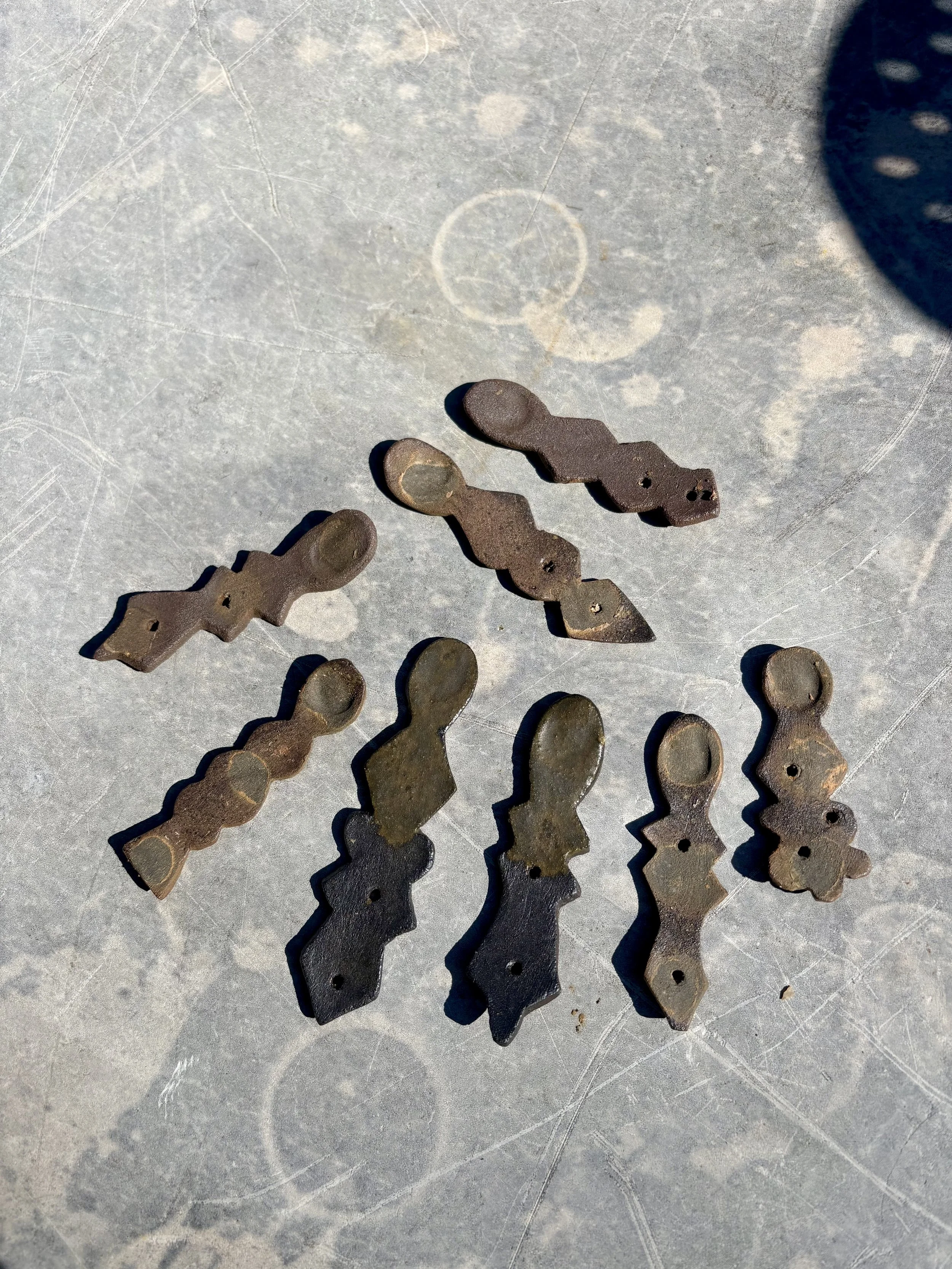
These spoon-shaped objects, hand-crafted with textured surfaces, were conceived for a banquet-performance. Beyond mere serving tools, they intensify and interrogate the sensory pleasures of eating. Each piece extends the body itself, blending tactile comfort with subtle unease to provoke a curious, embodied engagement.
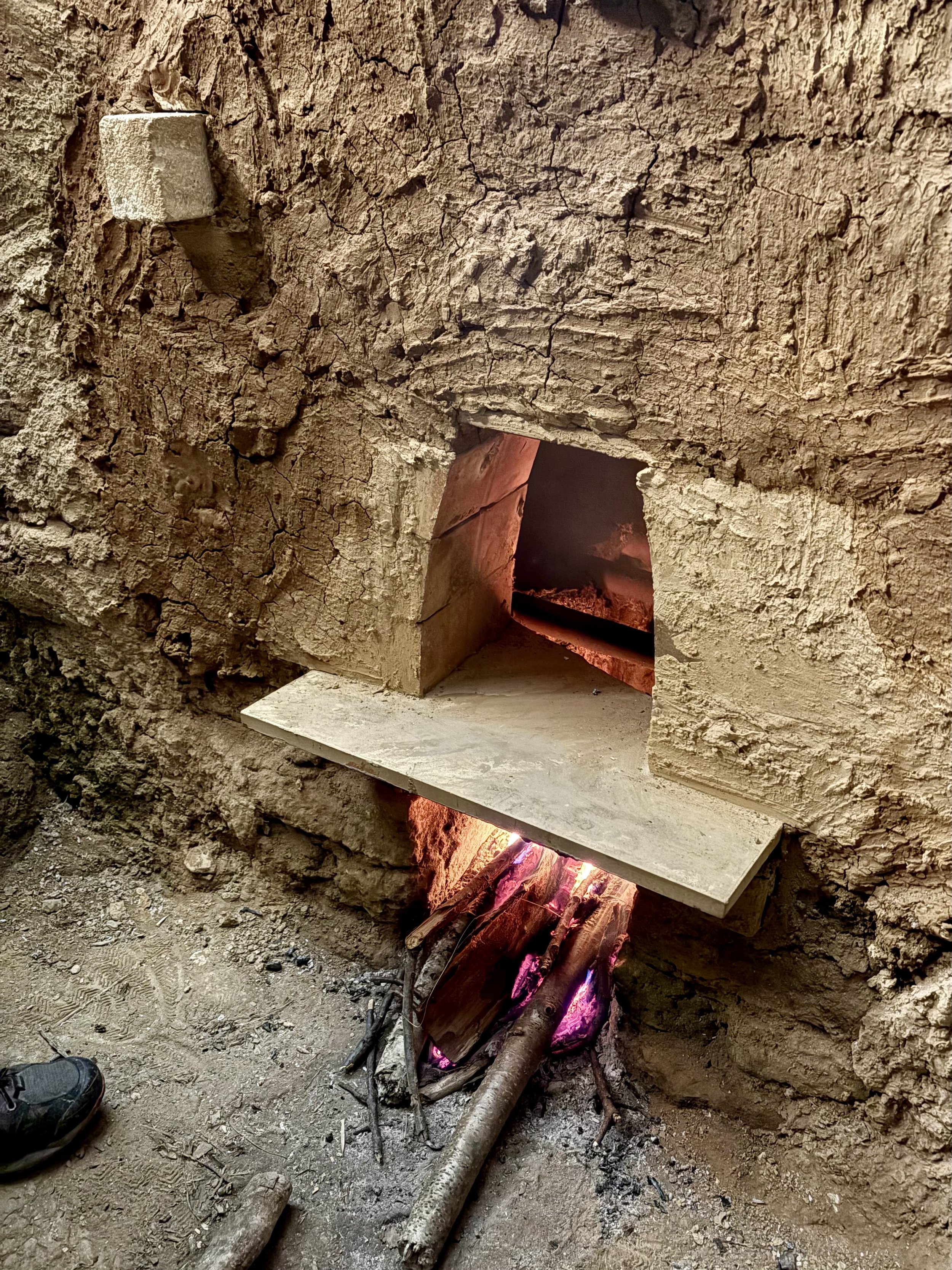
m3aalq pieces were fired in this particular single-chamber kiln near Mt. Bisalta, Piemonte, built by ceramist Nina Salsotto Cassina. The firing took place in August 2025 in collaboration with fellow international ceramists.

Handcrafted and woodfired ceramics, various dimensions - wild foraged soils by Nina Salsotto Cassina - Unurgent Argilla, 2025.
‘Embroidered Bread’

Homemade organic beetroot sourdough bread, fermented with a wild starter and ancient grains; hand embroidery on bread with reclaimed Provençal fabric sewn onto a vintage cotton doily, c. 20 × 25 cm, 2025.
Created on the occasion of the collective workshop held in the Mountain Lab of Pietraroja, Italy, and the exhibition conTENERE at Accademia di Belle Arti di Brera, this ephemeral work combines naturally fermented beetroot bread with hand embroidery to explore culinary arts as both nourishment and cultural archive. Made with a wild sourdough starter cultivated at the Lazy farm (Benevento), the work carries the microbial, agricultural and human histories embedded within a specific landscape.
Developed through daily encounters with local farming practices, bread making, and shared meals, the work is a reflection on food as a living form of transmission. Rather than treating bread as a finished object, it considers it a material shaped by relationships - between soil, fermentation, care, memory, and the hands that sustain it.
The embroidered intervention relates to the slow gestures through which knowledge is preserved and renewed across generations, suggesting that acts of making and sharing food are also acts of collective remembrance.
Residency and Banquet-Performance
in regenerative farm
Sant'Angelo a Cupolo, Italy, June 2025
“far fiorire le radici”

The residency at Lazy Farm (Benevento) culminated in a communal banquet performance accompanied by a series of ceramic and embroidery works, alongside a large drawing—each piece a crystallisation of the natural world absorbed during a month spent in the bucolic landscape of Sant’Angelo a Cupolo.
Lazy Farm is an innovative, creative farm near Benevento in Southern Italy. It nurtures a regenerative kitchen garden surrounded by fruit trees and an organic wheat field planted with the ancient Risciola variety, while also supporting a digital creative agency. This familial, multifunctional space fosters a synergy in which each activity enhances and supports the others.
Envisioned by Yasmine Lahjij - Yeddin Studio under the title ‘Far Fiorire le Radici,’ the project emerged from a dialogue between the farm’s history, its regenerative ethos and her personal approach and perspective. It also extended beyond these starting points: the rich human cosmogony surrounding the farm revealed profound cultural, historical and social layers, prompting reflection on the intertwined heritage and stories that define this unique place.


Yasmine Lahjij - Yeddin Studio’s practice extended far beyond solitary studio work. Her presence in the Montorsi Valley was welcomed and fuelled by a genuine desire for connection and dialogue. Daily encounters with local inhabitants—through walks in the woods, dinners, pasta workshops, board game evenings, foraging, pagan rituals, cooking, film screenings, concerts and communal meals—sparked deep personal reflections on hospitality and what it means to inhabit a place.
For the public presentation, works spanning ceramics, drawing and food design were created in collaboration with local artisans and the host family. They came together around an open, democratic banquet table, finding their places atop garden straw, nestled in a wheelbarrow or housed within the garden’s wooden shelter.
At the heart of the residency and the body of work it inspired lay a continuous effort to reconnect with the cyclical rhythms that quietly govern all living beings. The experience at Lazy Farm grew beyond solitary creation into a collaborative endeavour, bringing food, art and sustainability together through shared participation and collective growth.


*Courtesy of Damiano Pontillo, with whom the special breads were made using the grandmother’s wild yeast starter. Courtesy of Alfonso Pontillo for the special documentary created during the residency, as well as for the light and sound.

La Saragolla
Residency, Research, Banner and Public Workshops.
At the kind invitation of
Terzo Paesaggio and Madre Project, Milan.
February–July 2025.

Architects Marta Cataldi and Egidio Giurdanella install "La Saragolla," a site-specific banner Yeddin Studio co-created with Terzo Paesaggio in Morcone last February 2025.

In February 2025, Yeddin traveled to Morcone, in southern Italy, to join the research residency led by Terzo Paesaggio (Milan) - a rural regeneration initiative within the framework of the TAM project.
The residency explored ways to nurture a “community of wheat,” restoring both land and life through a collective vision that interlaces Morcone’s natural and cultural heritage with a hybrid, community-powered bakery open to participants from across Italy and beyond.
In collaboration with the architects of Terzo Paesaggio, Yeddin created a site-specific, blue, hand-embroidered banner celebrating the local ancient wheat variety. The banner accompanied gatherings, a pagan celebration and campus events from February to July, becoming a symbolic thread connecting people and practices.